Top European Oil & Gas Companies Ranked by Country in 2026
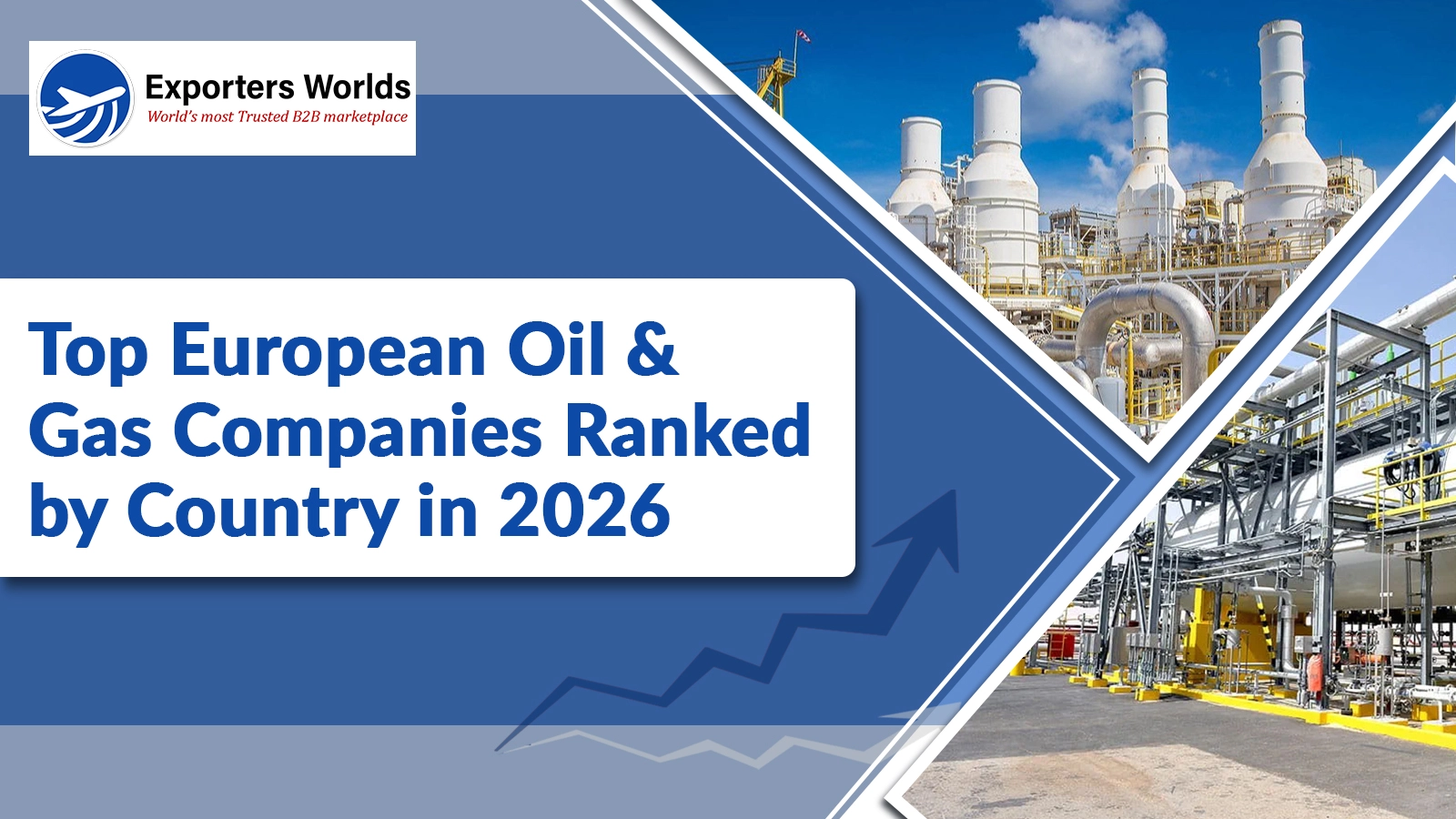
The oil and gas companies in Europe are at a crucial crossroads in 2026. They still power industries, transport, and global supply chains, but they are also leading one of the biggest changes the energy sector has ever seen. Europe is moving toward a lower-carbon future, and these companies are right at the centre of this shift.
Understanding the sector can feel overwhelming, but looking at the key players makes it much easier. Who is leading in natural gas? Which companies are investing most aggressively in renewable energy? Who is innovating in biofuels or offshore technology?
This ranking combines market capitalization, energy influence, and transition strategies to give you a clear, country-by-country view of Europe’s top oil and gas companies. By following this list, you can see not just who matters today, but who is shaping the energy landscape for years to come.
The Top 5 European Oil & Gas Giants (2026 Estimates)
Ranked by market cap, global influence, and transition readiness
1. Shell PLC - United Kingdom
- USP: Global LNG leadership, powerful downstream network, and a steadily expanding renewables portfolio
- Strength Focus: Liquefied Natural Gas (LNG), integrated global operations
- Key Challenge: Pressure to accelerate its decarbonization strategy
Shell remains the most influential oil and gas company in Europe in 2026. Its biggest advantage is its unmatched LNG business, which places it at the heart of Europe’s push to move away from Russian gas. As energy security becomes a bigger priority, Shell's ability to supply and trade LNG at scale makes it irreplaceable for many European countries.
On the transition side, Shell is investing heavily in EV charging, biofuels, and renewable energy, but critics still claim the company isn’t moving fast enough. Balancing strong oil profits with net-zero commitments continues to be its biggest challenge.
2. Total Energies DE - France
- USP: Europe’s most aggressive shift toward renewables, an early leader in solar, wind, and clean fuels
- Strength Focus: Large-scale renewable energy investments, strong African presence
- Key Challenge: Managing profitability across both traditional and renewable portfolios
TotalEnergies is transforming itself into a multi-energy powerhouse, much faster than many of its global competitors. The company is investing billions into solar farms, offshore wind parks, hydrogen, and sustainable fuels. Its diverse portfolio across Africa, the Middle East, and Europe gives it both stability and strong long-term growth potential.
Its biggest hurdle is financial balance: keeping oil and gas operations profitable while scaling massive renewable projects. But among all oil and gas companies in Europe, TotalEnergies stands out as the clearest symbol of the future.
3. BP PLC - United Kingdom
- USP: Strong North Sea footprint, early investments in hydrogen and carbon capture (CCS)
- Strength Focus: Transitioning from an oil company to an integrated energy company
- Key Challenge: Delivering on ambitious 2030 emissions and renewables targets
BP has gone through one of the most dramatic transformations in the sector. Its strategic shift focuses on “high-value” oil and gas projects while taking bold steps into low-carbon technologies. This includes green hydrogen, advanced bioenergy, EV charging, and CCS hubs across the UK.
However, BP faces intense scrutiny from investors: can it maintain strong financial returns while aggressively transitioning? The next five years will determine if BP’s strategy becomes a global model or a warning.
4. Equinor ASA - Norway
- USP: Offshore excellence in the North Sea and Europe’s most reliable natural gas supplier
- Strength Focus: Natural gas production, floating offshore wind technology
- Key Challenge: Long-term decline of North Sea reserves
Equinor is known for stability and technical mastery. It plays a crucial role in supplying natural gas to Europe, especially over the last few years, as European demand grew due to geopolitical tensions. Its production efficiency results in one of the lowest carbon intensities among global oil producers.
Equinor is also a world leader in offshore wind, especially floating wind farms. However, the company’s dependence on the Norwegian Continental Shelf means it must prepare for long-term declines in oil and gas production.
5. Eni SpA - Italy
- USP: Strong African exploration presence, advanced biorefining, and circular economy initiatives
- Strength Focus: Fast-track development of new oil discoveries and biofuels
- Key Challenge: High exposure to geopolitical instability in Africa
Eni has built its identity on exploring new frontiers, especially across Africa. Its discoveries in Côte d'Ivoire and Angola have given it stable growth opportunities. Beyond exploration, Eni leads Europe in biofuel innovation, converting traditional refineries into biorefineries that support cleaner energy.
But operating in politically sensitive regions brings unpredictability. Eni’s growth depends heavily on maintaining stability in its key markets.
Other Influential Oil & Gas Companies in Europe (By Country)
- OMV Group - Austria
- USP: Major force in petrochemicals and Central Europe’s energy system
- Focus: Circular economy solutions, sustainable fuels, and a strong refining presence
- USP: Major force in petrochemicals and Central Europe’s energy system
- Repsol SA - Spain
- USP: Pioneer in advanced biofuels and synthetic fuels
- Focus: Integrating renewables into refining operations, leading the low-carbon downstream sector
- USP: Pioneer in advanced biofuels and synthetic fuels
- PKN Orlen - Poland
- USP: Central Europe’s refining and retail champion
- Focus: Large-scale consolidation, expanding petrochemical dominance
- USP: Central Europe’s refining and retail champion
These companies help strengthen regional supply chains and diversify Europe’s energy stability.
Country-by-Country Snapshot (2026)
|
Country |
Leading Company |
Core Strength |
|
United Kingdom |
Shell, BP |
LNG leadership + North Sea operations |
|
France |
TotalEnergies |
Renewable energy expansion |
|
Norway |
Equinor |
Reliable natural gas supply |
|
Italy |
Eni |
African exploration + biofuels |
|
Austria |
OMV |
Petrochemicals and sustainable fuels |
|
Spain |
Repsol |
Low-carbon fuel innovation |
|
Poland |
PKN Orlen |
Refining scale and regional dominance |
2026: Key Takeaways for Europe’s Oil & Gas Sector
- Natural Gas Is Europe’s “Transition Fuel”
Companies like Shell and Equinor are doubling down on LNG and pipeline gas, seeing it as a cleaner bridge from oil to renewables.
- Europe Leads the Green Race
European majors, especially TotalEnergies and BP, are investing more aggressively in solar, wind, hydrogen, and CCS than their US counterparts.
- Financial Strength Remains Stable
Despite market volatility, Europe’s biggest companies maintain strong dividends and buybacks, proving they can balance profit and transition.
- Country Strengths Are Clear
The UK and France host the largest energy giants, while Norway and Italy provide stability through production expertise and strategic exploration.
Conclusion
The 2026 ranking of oil and gas companies in Europe shows an industry balancing two worlds, meeting today’s energy needs while preparing for a low-carbon future.
Each company brings something unique, whether it’s LNG leadership, offshore excellence, renewable growth, or frontier exploration. Together, they shape Europe’s energy security and its path toward cleaner energy.
For anyone following the sector, whether out of curiosity, research, or study, this ranking provides a clear view of how Europe’s major energy companies are evolving, the challenges they face, and the direction Europe’s energy system is heading.
FAQs
Who Are the Leading Oil and Gas Companies in Europe by Country in 2026
The top market leaders include Shell and BP in the United Kingdom TotalEnergies in France Equinor in Norway Eni in Italy and Repsol in Spain. These corporations dominate both regional production and global energy trading.
Which European Country Is the Largest Producer of Oil and Gas
Norway remains the largest producer of oil and natural gas in Western Europe. The state owned energy giant Equinor drives most of this production through its massive offshore operations in the North Sea.
What Petroleum Products Do European Oil Companies Export the Most
European energy companies primarily export highly refined petroleum products. This includes EN590 diesel fuel aviation turbine fuel liquefied natural gas and industrial lubricants.
How Are European Oil Companies Shifting Towards Renewable Energy in 2026
Major players like TotalEnergies BP and Shell are investing billions into offshore wind farms, solar energy and biofuels. They are balancing their traditional oil and gas operations with green energy initiatives to meet strict carbon emission regulations.