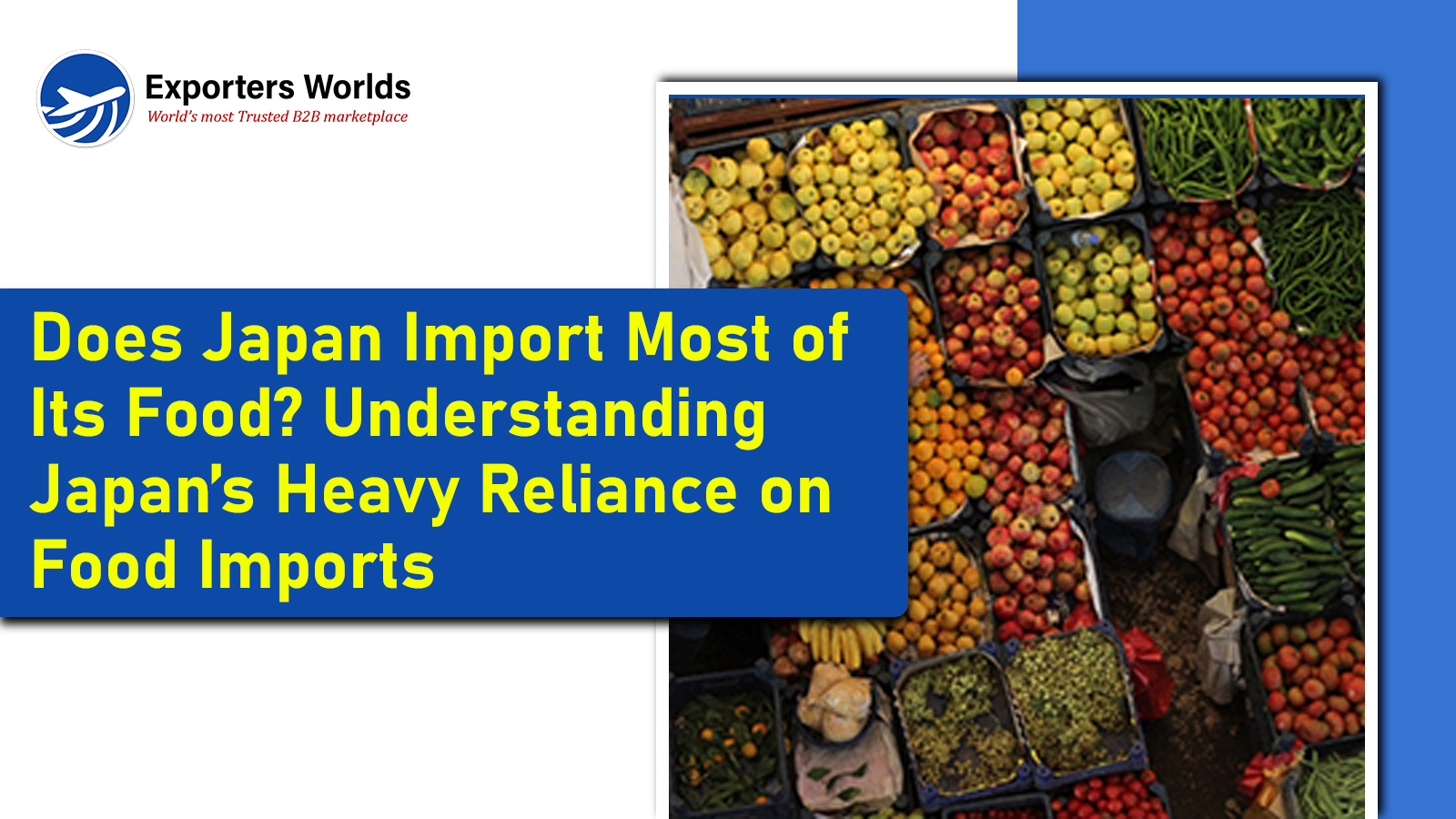
Does Japan Import Most of Its Food? Understanding Japan’s Heavy Reliance on Food Imports
Japan is a country celebrated for its technological marvels, economic prowess, and cultural influence. Yet, when it comes to feeding itself, the picture is strikingly different. Does Japan import most of its food? Despite being one of the wealthiest and most developed nations in the world, Japan relies heavily on imports to meet its food demand. In 2026, Japan’s calorie-based self-sufficiency rate stood at just 38%, highlighting the country’s deep dependence on global food markets. But why does Japan import so much food, and what does this mean for its economy, agriculture, and long-term food security?
This article dives into Japan’s food self-sufficiency, the commodities it imports the most, the structural and economic factors behind its reliance, government initiatives, and future trends. By understanding Japan’s import patterns, businesses and trade partners can better navigate the global food supply landscape.
Japan’s Food Self-Sufficiency: A Snapshot
Food self-sufficiency is often measured in two ways: calorie-based and production-value-based. The former reflects the percentage of calories consumed that are produced domestically, while the latter represents the economic value of total food production compared to consumption.
As of 2026, Japan’s calorie-based self-sufficiency was a modest 38%, signaling a heavy reliance on imported staples. In contrast, the production-value-based rate was higher at 64%, indicating that while Japan produces high-value foods domestically, it still imports most basic calories. Over the past decades, Japan has struggled to significantly boost its self-sufficiency, with government targets aiming for a 45% calorie-based rate by 2030.
This slow growth is tied to demographic challenges, urbanization, and limited farmland. The trend raises questions about food security in Japan and how the nation balances domestic production with international imports.
Key Commodities Japan Relies on for Imports
Japan’s import dependence varies significantly across food categories. Here’s a breakdown:
- Rice: Japan is nearly self-sufficient, producing 99% of its consumption domestically. Rice remains a cultural and culinary staple.
- Wheat: About 84% of wheat is imported, mainly from the U.S., Canada, and Australia. Wheat forms the backbone of bread, noodles, and pastries.
- Soybeans: Approximately 90% of soybeans are imported, crucial for tofu, soy sauce, and livestock feed.
- Livestock Products: Japan imports 83% of its meat, reflecting rising consumption of Western-style diets.
- Sugar: Nearly 68% of sugar is imported, as domestic production cannot meet demand.
- Marine Products: Despite Japan’s rich fishing industry, 53% of seafood is imported, particularly higher-value or exotic species.
- Animal Feed: Almost all corn and feed grains are imported, critical for poultry, beef, and dairy production.
Staples like rice are mostly domestic, but commodities like wheat, soy, and meat illustrate the scale of Japan’s import reliance. This division between staple self-sufficiency and luxury or feed imports shapes both economic and policy priorities.
Why Does Japan Import So Much Food?
Several factors explain Japan’s heavy reliance on imports:
- Limited Arable Land: Only 12% of Japan’s land is suitable for cultivation, and farmland has declined over 60 years due to urban expansion. This restricts domestic food production capacity.
- Aging Farming Workforce: The average age of Japanese farmers exceeds 67, with a severe shortage of young successors willing to take up farming.
- Changing Diets: As diets shift toward Western-style foods—more meat, dairy, and oils—domestic production cannot keep up with new demand patterns.
- Climate and Environmental Risks: Extreme weather events, heatwaves, and typhoons increasingly impact crop yields, adding unpredictability to domestic food output.
These structural challenges make boosting self-sufficiency a complex, multi-faceted issue. While Japan has invested in modernizing agriculture, land scarcity and demographic trends make imports a practical necessity.
Economic and Trade Dynamics Behind Japan’s Imports
Japan’s import patterns are also shaped by economic considerations:
- Global Trade Agreements: Japan relies heavily on imports from the U.S., Brazil, Canada, and Australia, leveraging trade agreements that secure stable supply.
- Price Sensitivity: Global market fluctuations impact domestic production-value rates. When global wheat or soybean prices drop, imports become more cost-effective than local cultivation.
- Economic Impact: Food imports significantly influence Japan’s trade balance and domestic pricing, with fluctuations in international markets affecting the cost of living.
Understanding these dynamics helps explain why Japan continues to import large quantities of essential commodities rather than attempting full self-sufficiency.
Impact of Heavy Reliance on Food Imports
Relying on imports comes with both risks and opportunities:
- Food Security Vulnerabilities: Global supply shocks—from pandemics to conflicts—can disrupt supply chains, threatening access to essential foods.
- Price Volatility: Dependence on international markets makes Japan susceptible to sudden price changes, affecting both consumers and businesses.
- Policy Pressure: Heavy import reliance shapes agricultural subsidies, sustainability initiatives, and government investment in modern farming technologies.
The balance between domestic resilience and global interdependence is delicate, making Japan’s import strategy critical for economic stability.
Government Initiatives and Policies
To reduce import dependence, Japan has implemented several initiatives:
- Subsidies and Incentives: Financial support for farmers to adopt high-yield techniques or diversify crops.
- Technology-Driven Farming: Smart agriculture, automation, and precision farming aim to boost productivity despite limited land.
- Production Targets: Policies target a 45% calorie-based self-sufficiency rate by 2030, focusing on staples like rice, wheat, and vegetables.
Japan’s strategy balances the practicality of imports with efforts to strengthen domestic food production, creating a hybrid approach to food security.
Future Outlook and Emerging Trends
Japan’s future food landscape will be shaped by innovation, dietary evolution, and climate adaptation:
- Smart Agriculture: Vertical farming, AI-driven crop management, and robotics may increase productivity without expanding farmland.
- Dietary Shifts: Continued Westernization of diets may further increase demand for imported meat and grains.
- Sustainability Measures: Climate adaptation strategies and eco-friendly farming practices will influence both imports and domestic production.
These trends indicate that Japan will continue to import heavily while exploring new ways to maximize domestic output efficiently and sustainably.
Interesting facts:
- Japan imports nearly 90% of the soybeans used domestically.
- Despite being surrounded by ocean, Japan imports over half of its seafood.
- Only 12% of Japan’s land is suitable for agriculture.
- Rice is the only staple where Japan approaches near self-sufficiency (99%).
- Japan’s farming workforce is among the oldest in the world, with few young farmers entering the field.
Exporting Food & Agri Commodities? Let Buyers Come to You
Before you finish reading, make sure you have the right connections to actually export your commodities. Join the Exporters Worlds Exim Business WhatsApp Channel for free access to verified international buyers actively sourcing grains, spices, seafood, and staples—with zero commission fees. Click here to connect with verified global buyers on WhatsApp
Conclusion
Japan’s heavy reliance on food imports is a product of geography, demographics, changing diets, and economic strategy. While government policies aim to boost domestic production, structural constraints make full self-sufficiency unlikely in the near future. Understanding these patterns is crucial for businesses, policymakers, and trade partners navigating global food markets.
For companies and importers seeking reliable solutions in the food trade, Exporters Worlds stands out as a strategic choice. As India’s premier B2B marketplace, it connects businesses with verified suppliers, streamlines transactions, and offers access to a global network—making international food sourcing simpler, safer, and more profitable. Whether you’re exploring Japanese imports, sourcing agricultural products, or expanding your trade footprint, Exporters Worlds provides the tools and expertise to succeed in a complex global market. Connect with us to learn more!
Frequently Asked Questions (FAQs)
1. Does Japan import most of its food?
Yes, Japan imports a significant share of its food, especially staple calories. While Japan produces many high-value foods domestically, its calorie-based food self-sufficiency rate stood at around 38% in 2026, meaning more than half of the calories consumed come from imported food sources such as wheat, soybeans, meat, and animal feed.
2️. Why does Japan import so much food despite being a developed country?
Japan imports large amounts of food due to limited arable land, an aging farming population, changing dietary preferences, and climate risks. With only about 12% of its land suitable for agriculture and rising demand for meat and processed foods, imports remain essential to meet national consumption needs.
3️. What food products does Japan import the most?
Japan’s major food imports include wheat, soybeans, meat, sugar, animal feed grains, and seafood. While rice is mostly produced domestically, products like wheat (over 80% imported) and soybeans (around 90% imported) form the backbone of Japan’s food import dependency.
4️. Is Japan trying to reduce its reliance on food imports?
Yes, Japan has introduced policies to improve food self-sufficiency, including farmer subsidies, smart agriculture technologies, and productivity targets. The government aims to raise calorie-based self-sufficiency to 45% by 2030, but structural challenges mean imports will continue to play a major role.
5️. How does Japan’s food import dependence affect global trade?
Japan’s heavy reliance on food imports makes it one of the world’s most important food-importing nations, shaping global demand for grains, meat, seafood, and agricultural raw materials. This dependency creates long-term opportunities for exporting countries and reinforces Japan’s deep integration into global food supply chains.