Crude Oil vs. Refined Petroleum Products: What’s the Difference?
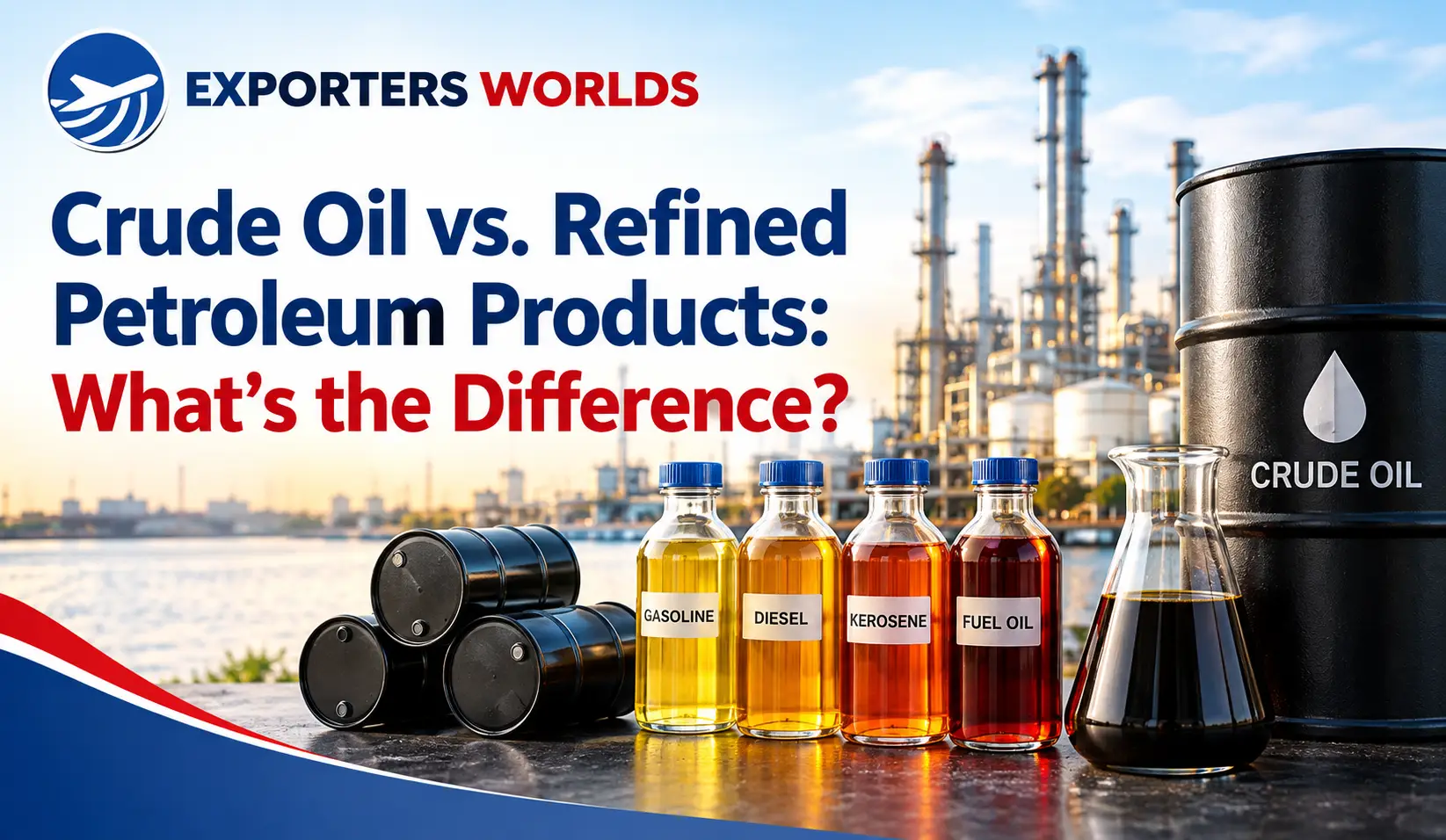
Crude oil and refined petroleum products differ in their processing, specifications, and uses. Crude oil is the raw material extracted from underground reservoirs, while refined petroleum products are produced through petroleum refining. These products include diesel, gasoline, jet fuel, kerosene, and other fuels and industrial materials.
Understanding crude oil vs. refined petroleum products helps fuel distributors, importers, exporters, industrial buyers, and petroleum traders identify what they need to purchase. For example, a business requiring diesel for distribution generally needs finished diesel that meets the relevant specifications, not unprocessed crude oil.
The right purchasing decision depends on the intended application, product quality, quantity, delivery destination, and applicable standards. Understanding these differences helps buyers evaluate suppliers and prepare more accurate sourcing inquiries.
Crude Oil vs. Refined Petroleum Products: Key Differences
Crude oil is an unrefined mixture of hydrocarbons that varies in density, sulfur content, and other properties. Refined petroleum products undergo separation, conversion, and treatment to meet specific requirements.
Crude oil is primarily purchased as refinery feedstock. Refined products are purchased for transportation, heating, industrial operations, and manufacturing.
Consequently, buyers sourcing crude oil focus on crude oil grades, quality specifications, and refinery suitability. Buyers sourcing finished fuels must evaluate product standards, quality documentation, intended use, and destination-market requirements.
What Is Crude Oil?
Crude oil is a naturally occurring liquid fossil fuel formed from ancient organic material over geological periods. It contains hydrocarbons alongside varying amounts of sulfur compounds, metals, and other impurities.
Crude oil grades differ in characteristics that influence processing requirements and commercial value. Light crude generally has lower density than heavy crude, while sweet crude generally contains less sulfur than sour crude.
These differences affect refinery compatibility, processing costs, and potential product yields. Therefore, buyers should evaluate the specific grade and its documented properties rather than assuming one grade is universally superior.
What Are Refined Petroleum Products?
Refined petroleum products are materials obtained through petroleum refining. Common examples include:
- Gasoline: Primarily used in spark-ignition engines.
- Diesel: Used in transport, logistics, agriculture, and industrial equipment.
- Jet fuel: Designed for compatible aircraft turbine engines.
- Kerosene: Used for heating and other specialized applications.
- Liquefied petroleum gas (LPG): Used for cooking, heating, and industrial purposes.
- Fuel oil and heating oil: Used in suitable industrial, heating, and marine applications.
- Other outputs: Naphtha, lubricants, asphalt or bitumen, and petroleum coke serve various industrial and manufacturing needs.
Some products, including LPG, can also originate from natural gas processing. Not every petroleum product comes exclusively from crude oil refining.
For buyers, identifying the product category is only the first step. The required grade, specification, intended application, and applicable quality limits must also be established.
Crude Oil vs. Diesel: Are They the Same?
No. Crude oil is an unrefined raw material, whereas diesel is a refined fuel.
During crude oil refining, refineries separate and process petroleum fractions to produce diesel and other products. Diesel then undergoes appropriate treatment and blending to meet its required specifications.
Businesses purchasing diesel for commercial distribution or operations should identify the applicable diesel grade rather than request crude oil. Relevant quality parameters may include sulfur content, cetane number, density, viscosity, and flash point.
The exact requirements depend on the intended use and destination market. Confirming these details before requesting quotations helps prevent product mismatches and unnecessary procurement delays.
How Does Petroleum Refining Work?
Petroleum refining transforms crude oil into usable fuels and other materials through several processes.
First, fractional distillation separates crude oil into fractions according to their boiling ranges. Refineries then use conversion processes, such as cracking, to break larger hydrocarbon molecules into smaller ones or otherwise improve product yields.
Treatment processes remove or reduce unwanted compounds, while blending helps finished products meet specific quality requirements.
This explains why crude oil and finished petroleum products are not interchangeable. Crude oil generally requires specialized processing, while finished fuels must meet the standards relevant to their intended applications.
The U.S. Energy Information Administration's guide to petroleum refining provides additional technical information.
Crude Oil Grades and Quality Specifications
Two important characteristics used to describe crude oil are API gravity and sulfur content.
API gravity indicates petroleum's density relative to water. Higher API gravity generally means lighter crude oil, while lower API gravity indicates heavier crude oil.
Sweet and sour classifications describe sulfur content. Sweet crude generally contains less sulfur than sour crude, although classification thresholds depend on the applicable convention or specification.
These properties influence refinery compatibility, processing requirements, potential yields, and commercial value. The most suitable crude oil grades depend on the buyer's processing capabilities, required outputs, and commercial objectives.
For refined products, specifications differ. A diesel buyer should confirm the applicable product standard and verify documented quality results against the requirements of the destination market.
What Should Buyers Check Before Purchasing Petroleum Products?
Before requesting a quotation, establish these essential details:
- Product and specification: Identify crude oil, diesel, gasoline, jet fuel, or another required product. Include the grade or applicable standard if known.
- Quantity and frequency: Specify the required volume, delivery schedule, and whether supply is one-time or recurring.
- Destination and logistics: Confirm the delivery location and relevant shipping or delivery terms.
- Quality documentation: Request appropriate product specifications, a Certificate of Analysis (COA), and a Safety Data Sheet (SDS), where applicable.
- Supplier credibility: Assess business credentials, commercial references, product availability, and documentation consistency.
- Commercial terms: Clarify pricing, payment arrangements, inspection procedures, and contractual responsibilities.
A COA reports quality results for a specified sample or batch. An SDS communicates product hazards and safe-handling information. Neither document alone guarantees supplier legitimacy or the quality of every shipment.
International Petroleum Sourcing Considerations
For buyers in the United States, India, Europe, and other markets, petroleum sourcing requires attention to destination-specific standards, import controls, customs procedures, and shipping documentation.
Before committing to a purchase, confirm applicable regulations with the relevant authorities or qualified compliance professionals. Ensure that product specifications, quantity, inspection arrangements, delivery terms, and payment conditions are clearly documented in the agreement.
Comparing suppliers on these factors helps buyers evaluate the overall transaction rather than focusing exclusively on the quoted price.
Explore Petroleum Sourcing Opportunities Through Exporters Worlds
Once you identify the required product and specifications, the next step is finding relevant commercial sourcing opportunities.
Exporters Worlds is a B2B marketplace that connects buyers, suppliers, manufacturers, importers, and exporters. Its platform provides business discovery and inquiry options to help companies explore potential trading relationships.
Visit Exporters Worlds to explore the marketplace and available contact options. Confirm relevant product listings, supplier availability, and suitability directly before making a commercial commitment.
When submitting an inquiry, include your required product, quantity, destination, delivery timeline, and known specifications. These details help potential trading partners assess your requirements more effectively.
Frequently Asked Questions
1. What is the difference between crude oil and refined petroleum products?
Crude oil is unprocessed petroleum extracted from underground reservoirs. Refined petroleum products are produced by separating, converting, and treating crude oil or its fractions for specific uses.
2. Is diesel made from crude oil?
Yes. Diesel is commonly produced through crude oil refining and processed to meet the specifications required for its intended application.
3. Can crude oil be used directly as fuel?
Crude oil generally cannot replace finished transportation fuels in standard engines. It normally requires refining to produce fuels with suitable properties.
4. What are the main crude oil grades?
Crude oil grades vary by origin, density, sulfur content, and other properties. Light and heavy describe relative density, while sweet and sour refer to sulfur content.
5. What documents should petroleum buyers request?
Depending on the transaction, buyers may need product specifications, a Certificate of Analysis, a Safety Data Sheet, inspection reports, and applicable shipping or regulatory documents.
6. How can businesses start sourcing petroleum products?
Identify the required product, quantity, specifications, destination, and delivery timeline. Then assess potential suppliers, review documentation, and confirm contractual and regulatory requirements before proceeding.