Essential quality checks when importing agricultural products and spices from India
Introduction: The Day a Container Gets Flagged —
Picture this.
A container of turmeric lands at a European port. Documents look clean. The supplier swears it passed internal checks. Then customs flags it for residue testing. A week later, you’re staring at a notice: pesticide levels exceed permissible limits.
Your shipment is on hold. Storage costs are rising. Your buyer is calling. Your brand reputation? Hanging by a thread.
This isn’t a rare horror story. It’s becoming more common as agricultural exports quality standards tighten globally.
India exported spices worth USD 4.25 billion in FY 2023–24, commanding roughly 12% of the global spice trade. It is the largest producer, consumer, and exporter of spices in the world. That dominance brings opportunity — and scrutiny.
Recent inspection cycles have shown that around 12% of tested spice samples failed certain safety benchmarks. Meanwhile, FSSAI testing volumes surged from approximately 108,000 samples (2020–21) to over 451,000 samples (2023–24). That’s not just enforcement — that’s a signal.
If you plan to import spices from India or import agricultural products from India, compliance isn’t optional. It’s commercial survival.
This guide breaks down exactly what serious buyers must verify — before contracts are signed and containers are sealed.
Why Quality Checks Matter More Than Ever in Indian Agricultural Exports
India’s Global Reputation: Strength Meets Scrutiny
India’s spice ecosystem is vast and sophisticated. But international markets are tightening rules around:
- Ethylene Oxide (EtO) contamination
- Pesticide Maximum Residue Limits (MRLs)
- Heavy metal thresholds (lead, cadmium, arsenic)
- Microbiological contamination
In the era of global spice trade compliance, responsibility doesn’t end at the exporter’s warehouse.
A hard truth: buyers who assume compliance is “the exporter’s problem” usually pay for that assumption later.
The Real Cost of Non-Compliance
Historically, US FDA refusal rates for Indian food exports have hovered around 0.15%, compared to roughly 0.02% for China — about seven times higher.
Even when goods are compliant, incomplete documentation can delay shipments. In India alone, exporters have reported losses of ₹15–20 lakh per delay due to paperwork discrepancies.
For importers, consequences include:
- Port demurrage and warehousing fees
- Contract penalties
- Product recalls
- Irreversible brand damage
Quality checks must begin before the purchase order — not after the goods arrive.
Understanding the Regulatory Backbone Before You Import Spices from India
Indian Regulatory Framework You Must Verify
From an importer’s perspective, never assume compliance. Verify it.
Check for:
- FSSAI Export License – mandatory for food exports.
- Certifications from the Spices Board of India, including:
- Quality evaluation reports
- Indian Spices Logo
- Spice House Certification
- Quality evaluation reports
- APEDA registration for broader agricultural export infrastructure.
Many first-time buyers believe “India-certified” automatically equals globally compliant. That’s not always true. Certification must align with destination-country food safety regulations for imports.
International Certifications That Reduce Risk Exposure
For commercial confidence, request:
- ISO 22000:2018 – food safety management systems
- HACCP compliance India framework
- GMP/GHP certifications
- USDA Organic or EU Organic (for premium markets)
- Testing from NABL-accredited laboratories
Certifications don’t eliminate risk. But when choosing among Indian spice exporters, they dramatically reduce uncertainty.
Pre-Export Product-Level Quality Checks: What Must Be Tested Before Shipment
Think of this as your internal buyer checklist.
Physical Quality Parameters
- Moisture content (typically 8–12% for spices)
High moisture = mold risk during long sea transit.
- Foreign matter inspection (stones, husks, dust)
- Color value and aroma intensity
- Texture grading
A one-percent moisture variation can significantly shorten shelf life — especially in humid shipping routes.
Chemical & Residue Testing
Critical for maintaining international food safety standards.
Key tests include:
- Pesticide residue testing India aligned with destination MRLs
- Heavy metal screening (lead, cadmium, arsenic)
- Ethylene oxide compliance checks — especially for EU markets
The EU often enforces stricter MRLs than many Asian countries. Retailers increasingly demand batch-level declarations, not just annual certifications.
Microbiological Safety Verification
Common required tests:
- Total Plate Count
- Yeast & Mold
- E. coli
- Salmonella
Contamination risks rise during:
- Improper drying
- Poor storage
- Humid transit
Microbiological non-compliance almost always results in immediate rejection.
Adulteration & Authenticity Checks
In high-risk products like chili powder and turmeric, watch for:
- Artificial colorants
- Undisclosed blending
- Unauthorized fillers
Premium markets increasingly request DNA authentication and purity verification. Authenticity now carries pricing power.
Documentation & Traceability: The Most Overlooked Risk Factor When You Import Agricultural Products from India
Here’s a reality: most shipment delays are paperwork-related — not product failures.
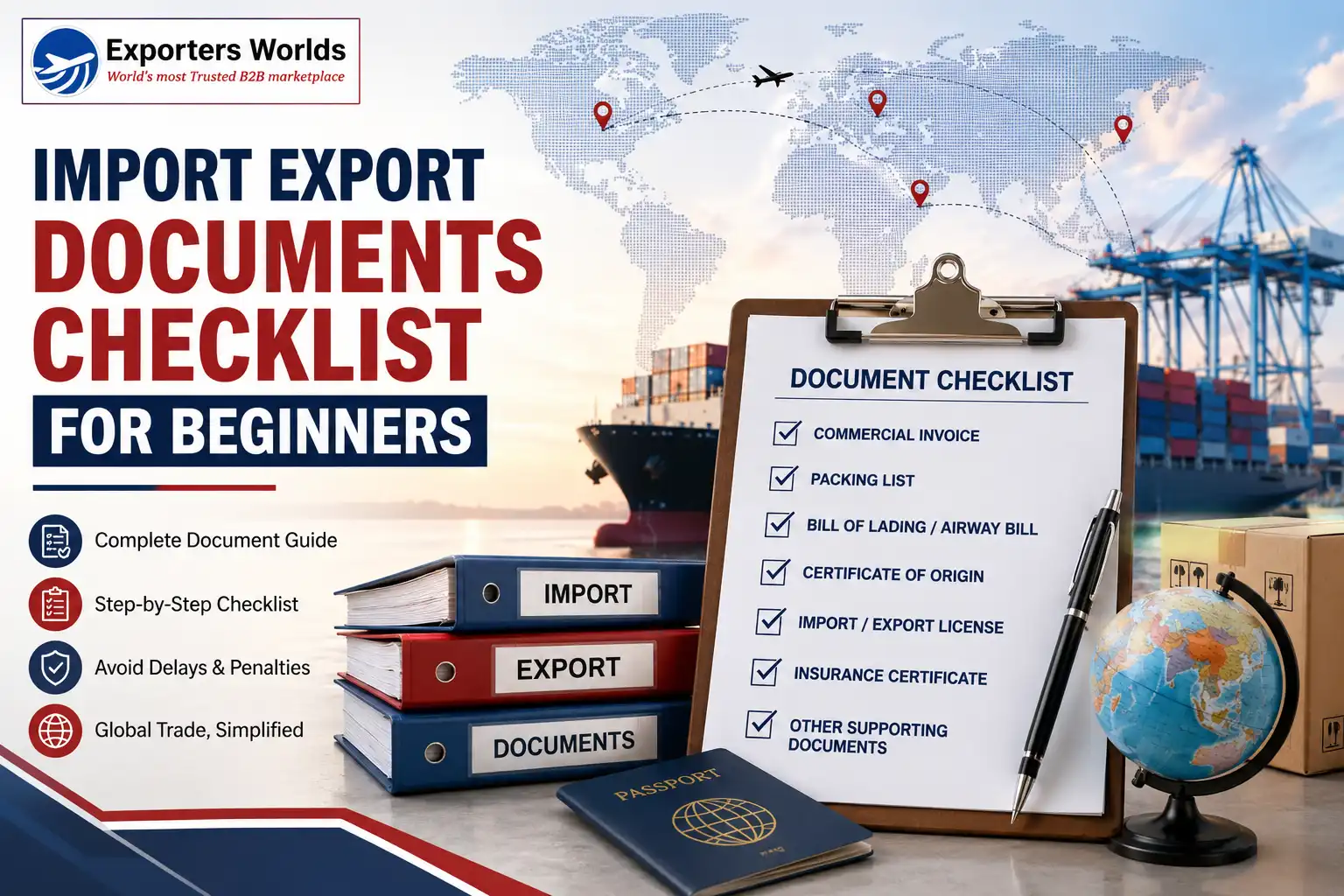
Core Export Documents to Verify
- Certificate of Analysis (CoA) – batch-specific
- Phytosanitary Certificate
- Certificate of Origin (correct HS code)
- Fumigation certificate (if required)
- Commercial invoice & packing list alignment
- Batch traceability records
Documentation gaps can lead to customs fines and delays costing lakhs per shipment.
For any buyer building a spice import compliance checklist, documentation is not an afterthought. It’s a frontline defense.
Testing Infrastructure & Laboratory Ecosystem in India
India has expanded its testing capacity significantly.
Spices Board laboratories operate in:
- Kochi
- Mumbai
- Delhi
- Chennai
- Tuticorin
- Kandla
- Guntur
Alongside these, numerous NABL-accredited labs offer internationally recognized results.
With FSSAI testing jumping nearly fourfold in three years, enforcement has intensified. More testing means higher transparency — but also higher accountability.
Importer-Side Quality Verification: Your Defensive Strategy
Smart importers layer protection.
Pre-Shipment Inspection (PSI)
- Physical sampling before container sealing
- Third-party inspection agencies
- Lab confirmation against buyer specifications
Independent Third-Party Laboratory Testing
Especially critical for:
- EU-bound consignments
- Organic shipments
- High-value spice blends
Blind validation prevents over-reliance on supplier reports.
Post-Arrival Random Sampling
Protects against:
- Transit contamination
- Fraudulent substitution
- Undisclosed blending
Testing isn’t difficult. It’s insurance.
Risk Landscape & Global Trade Trends Impacting Indian Spice Imports
Global enforcement is intensifying.
- EU revising MRLs more frequently
- Increased EtO screening
- Heightened customs scrutiny
Recent inspection cycles revealed approximately 12% non-compliance in sampled spices. US FDA refusal comparisons (India ~0.15% vs China ~0.02%) further emphasize relative risk exposure.
The direction of trade policy isn’t relaxation. It’s deeper transparency.
How to Evaluate Indian Spice Exporters Before Signing a Contract
Before committing to long-term supply:
- Verify FSSAI export license
- Request recent CoA from NABL lab
- Confirm ISO 22000 or HACCP certification
- Ask about farm-level traceability
- Understand residue control protocols
- Review internal quality audit systems
Choosing among reliable Indian spice exporters requires structured spice supplier due diligence. Compliance capability is as important as price.
Building a Resilient Import Strategy for Long-Term Trade
Resilience means preparation.
- Monitor MRL updates in your destination market
- Establish recurring batch testing protocols
- Diversify supplier base
- Include compliance clauses in contracts
- Maintain recall-response planning
In global agri trade compliance India, resilience isn’t about avoiding risk — it’s about anticipating it.
Key Takeaways for Businesses Planning to Import Spices from India
- Regulatory certifications are foundational.
- Multi-layer testing (physical, chemical, microbiological) is non-negotiable.
- Documentation alignment prevents costly delays.
- Traceability protects brand integrity.
- Global scrutiny is increasing — proactive compliance wins.
If you plan to import spices from India or import agricultural products from India, quality control is not a regulatory burden. It’s a commercial safeguard.
Conclusion: Quality Checks Are a Commercial Safeguard, Not a Formality
Let’s return to that flagged container at port.
In most cases, the issue wasn’t random. It was preventable — a missed residue check, a documentation mismatch, an unverified supplier claim. The uncomfortable truth? Most compliance failures don’t happen because the product was inherently poor. They happen because the system around the product was weak.
India’s position in the global spice market is powerful. The opportunity is immense. But enforcement is intensifying, and compliance expectations are rising across the EU, the US, and other major importing regions. For buyers, structured due diligence is no longer a technical step — it’s a strategic advantage.
If you plan to import agricultural products from India or work with established Indian spice exporters, your success depends on more than price negotiation. It depends on:
- Verified exporter credentials
- Transparent documentation flows
- Alignment with international food safety standards
- Clear communication channels
- Ongoing compliance awareness
In today’s environment, buyers benefit from operating within structured trade ecosystems — platforms that screen businesses, facilitate documentation transparency, and prioritize international standards from the outset.
This is where organized B2B networks make a measurable difference.
A platform like Exporters Worlds doesn’t merely list suppliers. It fosters a verified community of traders, manufacturers, and exporters aligned with international trade protocols. With background checks, compliance-oriented workflows, and direct communication channels, it reduces the uncertainty that often surrounds cross-border sourcing.
Instead of spending weeks validating credentials, tracing documentation, and managing fragmented communication, buyers can engage with exporters who are already positioned within a structured, accountability-driven framework. That distinction matters when your shipment timelines, regulatory exposure, and brand credibility are on the line.
Global trade is becoming more transparent — and less forgiving.
The businesses that thrive won’t be those that chase the lowest quote. They’ll be the ones that build resilient sourcing strategies, work with compliance-ready partners, and leverage platforms designed to simplify international trade rather than complicate it.
Because in the end, quality checks aren’t paperwork.
They’re protected.
And the right trade network ensures that protection is built into the process — not added as an afterthought.
Frequently Asked Questions
Can shipment delays happen even if the product passes lab tests?
Yes. Delays often occur due to incorrect HS codes, invoice mismatches, labeling errors, or incomplete documentation — even when the product itself is compliant.
Is product labeling important when importing spices?
Absolutely. Incorrect ingredient declarations, missing allergen statements, or non-compliant labeling formats can lead to customs holds or retail rejection in destination markets.
Do seasonal factors affect spice quality?
Yes. Harvest season, monsoon moisture, and storage conditions can impact quality consistency. Always confirm harvest batch details and storage practices.
Should I request product samples before bulk orders?
Definitely. Pre-shipment samples allow you to verify color, aroma, texture, and lab parameters before committing to full container loads.
Are price differences between exporters a red flag?
Not always — but unusually low pricing can indicate compromised quality control, weaker residue management, or inferior grading standards. Evaluate beyond cost.
Is long-term supplier communication important?
Yes. Clear, direct communication reduces misunderstandings in specifications, documentation, and shipment timelines — especially in international trade.