Top Coffee Bean Exporting Countries 2025/26: Production, EUDR & Wholesale
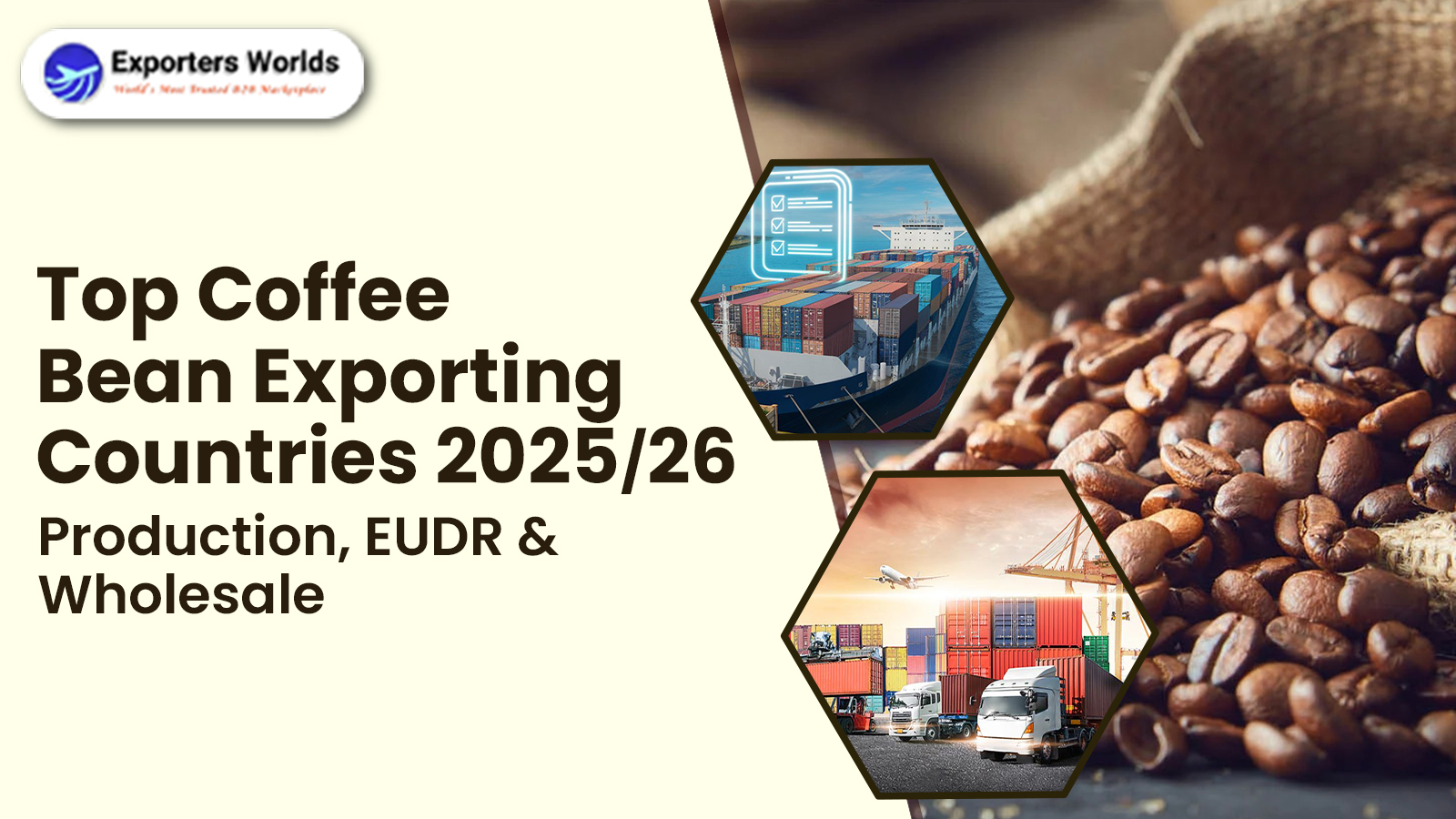
Coffee is more than just a morning ritual—it's a global commodity that fuels economies, cultures, and daily routines around the world. In 2025/26, the demand for high-quality coffee beans is skyrocketing, driven by discerning consumers and expanding wholesale markets. This article explores the top coffee bean exporting countries, production trends, the impact of the EU Deforestation Regulation (EUDR), and opportunities for sourcing premium Arabica coffee beans at scale. Whether you are a buyer, investor, or coffee enthusiast, understanding the global coffee landscape has never been more crucial.
Global Coffee Production Overview 2025/26
Coffee production is dominated by two major types: Arabica and Robusta. Arabica is prized for its nuanced flavors and aroma, while Robusta is stronger, more caffeine-rich, and often used in blends. In 2025, Brazil remains the largest coffee producing country, contributing a substantial portion of global output.
Emerging regions in Africa, Asia, and Central America are also increasing their production volumes. Countries like India, Vietnam, and Honduras are enhancing yields through modern farming techniques and sustainable practices, making the market more competitive and diverse. With Arabica coffee beans wholesale becoming a sought-after commodity, global production trends reflect not just quantity, but quality differentiation.
Key Factors Influencing Coffee Production
Several elements are shaping coffee production today:
- Climate Change & Sustainable Farming: Rising temperatures and unpredictable rainfall are impacting yields. Farmers are adopting shade-grown techniques, water-efficient irrigation, and organic fertilizers.
- Technological Advancements: Automation in harvesting and digital monitoring tools improves efficiency and bean quality.
- Global Supply Chain Trends: Trade regulations, logistics innovations, and ethical sourcing practices influence production decisions.
- Specialty Coffee: Emphasis on unique flavor profiles and certification standards helps countries differentiate their exports.
Top Coffee Bean Exporting Countries 2025
The global coffee trade is dominated by a handful of countries, each contributing unique flavors, volume, and wholesale potential.
- Brazil: The undisputed leader, producing both Arabica and Robusta. Brazil focuses heavily on specialty beans, offering consistent quality for wholesale markets.
- Vietnam: Primarily a Robusta powerhouse, Vietnam is expanding Arabica cultivation to meet growing specialty coffee demand. Wholesale opportunities abound, particularly in bulk supply to Europe and Asia.
- Colombia: Known for premium Arabica beans, Colombia's exports are marked by quality certifications and a focus on ethical farming.
- Ethiopia: Often considered the birthplace of coffee, Ethiopia dominates the specialty segment with heritage beans renowned for flavor complexity.
- Honduras, Peru, India, Uganda, Mexico: These countries are steadily increasing production, offering competitive wholesale options with a mix of Arabica and specialty beans.
These nations collectively shape the top coffee exporters 2025, offering buyers a mix of volume, quality, and market-specific options.
Understanding Coffee Production Trends
Arabica Coffee vs Robusta Coffee
Arabica accounts for roughly 60–70% of global production, while Robusta fills the remainder. Arabica commands higher prices due to flavor and consumer preference, making it the preferred choice for wholesale buyers seeking premium offerings.
Specialty Coffee Beans
Certifications like Fair Trade, Organic, and Rainforest Alliance are not just labels—they influence export pricing and market demand. Specialty beans are increasingly sought by cafes, roasters, and wholesale distributors aiming to cater to ethically conscious consumers.
Factors Affecting Yield and Quality
Altitude, soil quality, and pest management are critical for consistent yields. Sustainable farming practices not only protect the environment but also ensure the long-term viability of export-ready coffee crops.
EUDR and Its Impact on Coffee Exports
What is EUDR?
The EU Deforestation Regulation (EUDR) is a legal framework designed to ensure that products entering the EU market do not contribute to deforestation. For coffee exporters, understanding and complying with EUDR is now essential.
Compliance Requirements
Exporters must maintain transparent supply chains, including documentation of origin, farming practices, and sustainability measures. Non-compliance can lead to restricted market access, making EUDR awareness vital for international trade.
Opportunities for Ethical Coffee Exporters
EUDR compliance offers a competitive advantage. Ethical and certified beans can fetch premium prices, attract conscious buyers, and open niche markets in Europe. Companies investing in sustainability can turn regulation into a marketing strength.
Coffee Bean Wholesale Market
Wholesale Opportunities by Region
Key importers such as the USA, EU, and Asia are driving demand for Arabica coffee beans wholesale. High-volume contracts are influenced by quality, price stability, and reliable delivery timelines.
Pricing and Trade Dynamics
Wholesale prices fluctuate based on harvest yield, global demand, currency rates, and compliance with regulations like EUDR. Bulk contracts often include clauses for quality assurance, delivery schedules, and ethical certifications.
How to Source Coffee Wholesale Efficiently
The most effective approach is partnering with verified exporters who provide consistent quality and transparent operations. Bulk sourcing from leading coffee-exporting countries ensures access to premium beans and stable supply for roasters and distributors.
Future Outlook for Coffee Exporting Countries
Looking ahead to 2025/26 and beyond, several trends are set to shape the market:
- Innovations in cultivation and post-harvest processing will enhance quality and yield.
- Emerging producing regions may shift the hierarchy of top exporters.
- Investors and wholesale buyers will benefit from sustainable, high-quality beans that cater to evolving consumer preferences.
As demand grows, both volume and specialty quality will define success in international coffee trade.
Conclusion
The global coffee market in 2025/26 offers unprecedented opportunities for wholesale buyers and investors. Brazil, Vietnam, Colombia, Ethiopia, and other leading exporters provide a diverse portfolio of beans to meet growing demand, from everyday blends to specialty Arabica varieties. Compliance with regulations like EUDR ensures market access and positions ethical exporters for premium pricing.
For businesses looking to source Arabica coffee beans wholesale efficiently, Exporters Worlds emerges as a trusted partner. As India’s premier B2B platform, it connects buyers with verified exporters, streamlines transactions, and provides access to the best quality coffee beans globally. Whether you are securing bulk supplies or exploring niche specialty varieties, Exporters Worlds simplifies the process, helping you find reliable partners and scale your coffee business seamlessly.
Discover your next Arabica coffee supplier today and secure premium beans for your business with Exporters Worlds—the gateway to top coffee bean exporting countries.