How to Find Reliable Fertilizer Suppliers and Exporters Worldwide (2026 Guide)
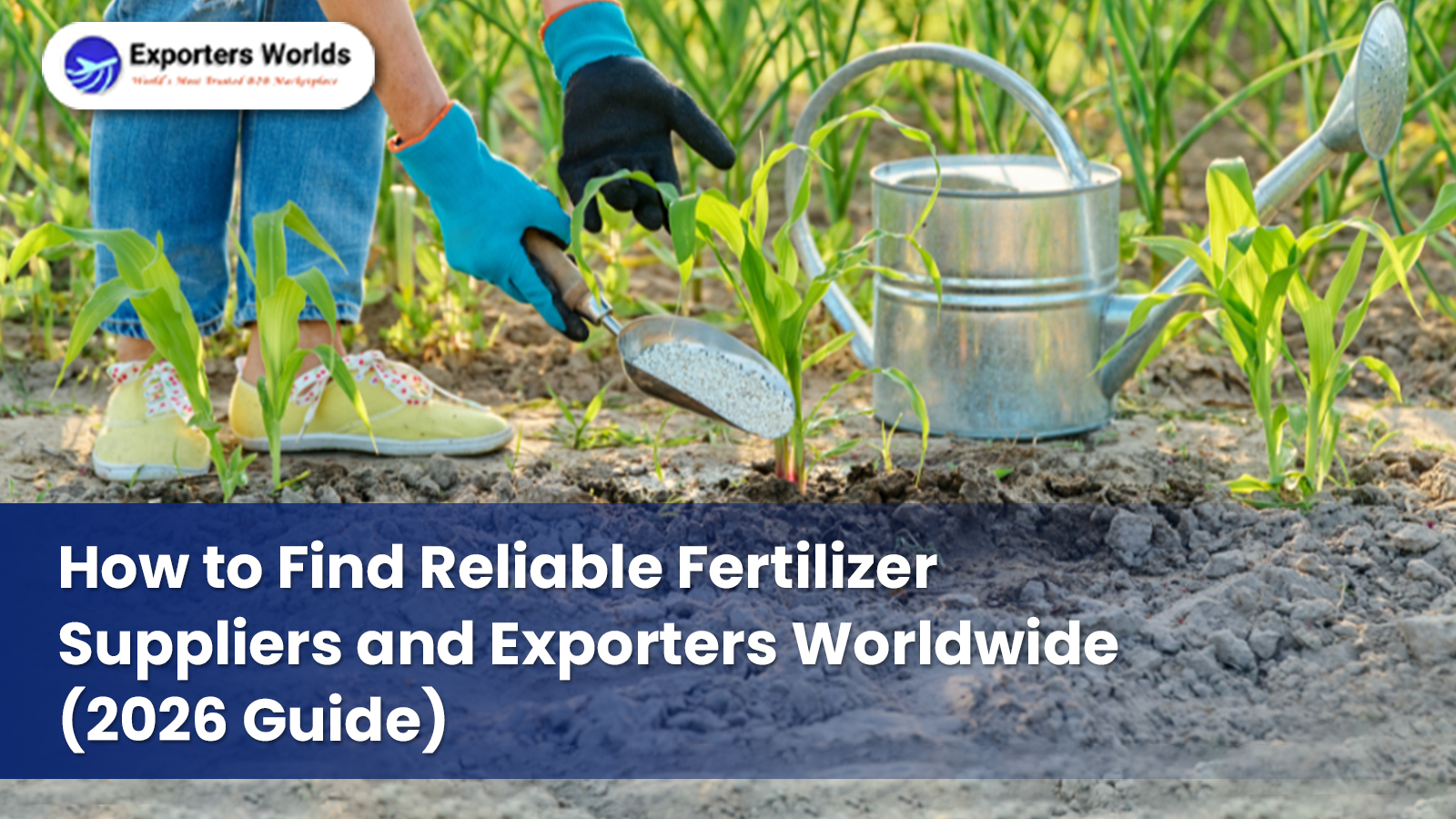
Global agriculture depends heavily on a stable supply of fertilizers. As crop demand rises and agricultural production intensifies, fertilizers have become one of the most traded agricultural inputs worldwide. For importers, distributors, and procurement managers, the challenge is rarely finding fertilizer itself—it’s finding reliable fertilizer suppliers and exporters who can consistently deliver quality products at scale.
Whether you are sourcing for national distribution, agricultural cooperatives, or commercial farming operations, selecting the right supplier directly affects crop productivity, logistics efficiency, and overall profitability.
In this guide, we’ll walk through how international buyers can identify reliable fertilizer suppliers, what factors matter most when evaluating fertilizer exporters, and how to safely source from bulk fertilizer suppliers across global markets. We will also examine the main fertilizer categories traded internationally, including nitrogen fertilizer, phosphatic fertilizer, potash fertilizer, and organic fertilizer.
Understanding the Global Fertilizer Trade
The fertilizer market is a cornerstone of modern agriculture. Countries with large-scale agricultural sectors rely heavily on imports to maintain soil fertility and crop yield. Meanwhile, major fertilizer-producing countries export millions of tons annually to meet global demand.
Fertilizers are generally classified into several key categories based on their nutrient composition:
- Nitrogen fertilizers
- Phosphatic fertilizers
- Potash fertilizers
- Organic fertilizers
Each plays a unique role in plant nutrition, and each category has a large network of manufacturers, distributors, and exporters serving international markets.
Because fertilizers are typically purchased in large volumes, importers often work directly with bulk fertilizer suppliers or international exporters capable of handling high-capacity shipments.
Why Choosing the Right Fertilizer Supplier Matters
At first glance, sourcing fertilizer may appear straightforward. However, experienced buyers understand that the wrong supplier can lead to several costly issues:
- Inconsistent nutrient composition
- Shipment delays
- Improper packaging and storage
- Regulatory compliance problems
- Unreliable export documentation
Fertilizers directly influence crop productivity. Even small variations in nutrient concentration or contamination can significantly impact agricultural outcomes.
Reliable fertilizer exporters ensure:
- Consistent product quality
- Proper documentation and certifications
- Timely delivery for seasonal agricultural cycles
- Competitive pricing for bulk shipments
- Compliance with import regulations
This is why international buyers carefully evaluate suppliers before committing to large orders.
Major Types of Fertilizers Traded Globally
Before selecting a supplier, buyers should understand the primary fertilizer categories available in the global market.
Nitrogen Fertilizer
Nitrogen fertilizers are among the most widely used fertilizers in modern agriculture. Nitrogen is essential for plant growth because it plays a key role in chlorophyll production and photosynthesis.
Common nitrogen fertilizers include:
- Urea
- Ammonium nitrate
- Ammonium sulfate
- Calcium ammonium nitrate
Due to high demand from staple crops such as wheat, maize, and rice, nitrogen fertilizer suppliers represent a major portion of the global fertilizer export market.
Countries with large nitrogen fertilizer production capacity often export significant quantities to agricultural import markets worldwide.
Phosphatic Fertilizer
Phosphatic fertilizers supply phosphorus, a nutrient that supports root development and energy transfer within plants.
Common phosphatic fertilizers include:
- Diammonium phosphate (DAP)
- Monoammonium phosphate (MAP)
- Single super phosphate (SSP)
- Triple super phosphate (TSP)
Phosphatic fertilizers are especially important during early plant growth stages. Importers frequently work with phosphatic fertilizer exporters to secure stable supplies for large-scale agricultural programs.
Reliable phosphatic fertilizer suppliers provide consistent phosphorus concentration and proper quality testing before export.
Potash Fertilizer
Potash fertilizers provide potassium, which helps plants regulate water usage, strengthen disease resistance, and improve crop quality.
Common forms of potash fertilizer include:
- Potassium chloride (MOP)
- Potassium sulfate (SOP)
Potash plays an essential role in improving crop yield and resistance to environmental stress. As a result, many countries depend on potash fertilizer exporters to meet domestic agricultural needs.
Because potash reserves are concentrated in certain regions, global trade in potash fertilizers remains highly active.
Organic Fertilizer
Organic fertilizers have gained increasing attention as farmers adopt more sustainable agricultural practices.
Unlike synthetic fertilizers, organic fertilizers are derived from natural sources such as:
- Compost
- Animal manure
- Bone meal
- Plant-based materials
Organic fertilizers improve soil structure, increase microbial activity, and support long-term soil health.
Demand for organic fertilizer suppliers has grown significantly in recent years as organic farming and environmentally friendly agriculture continue to expand.
Ready to source bulk fertilizers? Skip the endless searching. Post your specific product requirements on the Exporters Worlds RFQ marketplace and let verified international suppliers send competitive quotes directly to you. ? Submit an RFQ and Compare Prices Today
Key Factors to Evaluate When Choosing Fertilizer Suppliers
When sourcing fertilizers internationally, buyers should assess several critical factors before selecting a supplier.
Product Quality and Nutrient Composition
The primary factor in fertilizer sourcing is nutrient accuracy. Buyers should verify that suppliers provide fertilizers with consistent nutrient concentrations.
Reliable suppliers usually provide:
- Certificate of analysis (COA)
- Laboratory test results
- Product specification sheets
These documents confirm that the fertilizer meets declared nutrient levels.
Production Capacity
Bulk buyers should ensure that suppliers have sufficient production capacity to meet long-term demand.
Large-scale fertilizer exporters often operate:
- Dedicated manufacturing plants
- Advanced blending facilities
- Large storage warehouses
Suppliers with strong production capacity can handle bulk orders more efficiently.
Certifications and Compliance
International fertilizer trade requires proper regulatory compliance.
Depending on the product type and destination country, suppliers may need certifications such as:
- Quality assurance certifications
- Organic certifications for organic fertilizers
- Export licenses and regulatory approvals
Verifying certifications helps ensure that shipments will pass customs and regulatory inspections.
Packaging and Logistics
Fertilizers are typically transported in large quantities, making packaging and logistics crucial.
Common packaging options include:
- 50 kg bags
- 1-ton jumbo bags
- Bulk container shipments
Reliable bulk fertilizer suppliers provide packaging that protects the product from moisture, contamination, and transportation damage.
Export Experience
Experienced fertilizer exporters understand international shipping requirements, including:
- Export documentation
- Freight coordination
- Customs procedures
Suppliers with strong export experience can minimize shipping delays and ensure smoother international transactions.
Need help navigating export compliance or vetting suppliers? Sourcing agricultural inputs internationally can be complex. If you need assistance finding the right match, verifying supplier credentials, or navigating logistics, our team is here to help. ? Contact Us for Expert Sourcing Assistance
How to Identify Reliable Fertilizer Exporters
Finding reputable fertilizer exporters requires a structured sourcing approach.
Use Global B2B Marketplaces
One of the easiest ways to find verified suppliers is through international B2B platforms such as Exporters Worlds.
B2B marketplaces allow buyers to:
- Discover fertilizer suppliers worldwide
- Compare supplier profiles
- Contact exporters directly
- Evaluate product offerings
These platforms connect international buyers with manufacturers, wholesalers, and exporters across multiple fertilizer categories.
Request Product Samples
Before committing to large purchases, buyers often request product samples to evaluate quality.
Sample testing helps verify:
- Nutrient content
- Granule consistency
- Moisture levels
- Packaging quality
Laboratory testing can provide additional assurance regarding product quality.
Compare Multiple Suppliers
Even when a supplier appears reliable, it is wise to compare multiple fertilizer exporters before finalizing a deal.
Comparing suppliers allows buyers to evaluate:
- Pricing structures
- Minimum order quantities
- Shipping timelines
- Packaging options
This helps buyers select the supplier offering the best overall value.
Check Trade References
Experienced exporters usually have a record of previous international shipments.
Buyers can request:
- Export references
- Client testimonials
- Shipment records
These references provide insight into the supplier’s reliability and export experience.
Understanding Bulk Fertilizer Purchasing
Most international fertilizer transactions occur in bulk quantities.
Bulk purchasing offers several advantages:
- Lower unit cost per ton
- Reduced transportation cost per unit
- Greater supply consistency
However, bulk purchasing also requires careful supplier selection because large shipments involve significant financial investment.
Reliable bulk fertilizer suppliers typically offer:
- Competitive bulk pricing
- Flexible packaging options
- Stable supply capacity
- Long-term supply agreements
For large import operations, establishing long-term supplier relationships can improve pricing stability and supply reliability.
Where to Find Fertilizer Suppliers Worldwide
Global fertilizer sourcing is easier today thanks to digital B2B marketplaces and international trade platforms.
Platforms such as Exporters Worlds provide a centralized space where buyers can discover fertilizer exporters offering products such as:
- Nitrogen fertilizer
- Phosphatic fertilizer
- Potash fertilizer
- Organic fertilizer
By exploring supplier listings, buyers can compare offerings from multiple exporters and connect directly with companies capable of handling international orders.
These platforms simplify the sourcing process and reduce the time required to identify potential suppliers.
Common Mistakes When Sourcing Fertilizers
Even experienced buyers sometimes encounter challenges when sourcing fertilizers internationally.
Common mistakes include:
Choosing suppliers based solely on price
Low prices may indicate inconsistent product quality or unreliable logistics.
Ignoring export documentation
Incomplete documentation can lead to customs delays or shipment rejection.
Failing to verify supplier credentials
Verifying certifications, licenses, and production capabilities helps reduce risk.
Overlooking logistics planning
Fertilizer shipments require careful handling to prevent moisture exposure and product degradation.
Avoiding these mistakes helps ensure smoother procurement operations.
The Growing Importance of Global Fertilizer Trade
As the world’s population continues to grow, the demand for agricultural productivity will increase significantly. Fertilizers remain essential for maintaining soil fertility and achieving higher crop yields.
This growing demand ensures that global fertilizer trade will remain a critical component of agricultural supply chains.
Importers, distributors, and agricultural organizations will continue relying on reliable fertilizer exporters to meet the needs of modern farming.
Conclusion
Finding reliable fertilizer suppliers requires more than simple online searches. Buyers must evaluate product quality, production capacity, certifications, and logistics capabilities before selecting a supplier.
Understanding the different fertilizer categories—such as nitrogen fertilizer, phosphatic fertilizer, potash fertilizer, and organic fertilizer—also helps buyers choose products that best meet agricultural needs.
By using structured sourcing strategies and exploring international B2B platforms like Exporters Worlds, buyers can efficiently identify trustworthy fertilizer exporters and build long-term supply partnerships.
As global agriculture continues to expand, working with reliable fertilizer suppliers, fertilizer exporters, and bulk fertilizer suppliers will remain essential for ensuring stable agricultural production and sustainable food supply chains worldwide.
Take the Next Step in Your Sourcing Journey:
- Know exactly what you need? Post an RFQ to get competitive bids from verified fertilizer exporters.
- Need a custom sourcing solution or have questions about finding the right partner? Get in touch with our support team.
Frequently Asked Questions (FAQs)
What is the typical minimum order quantity (MOQ) for bulk fertilizer?
MOQs vary depending on the supplier and the packaging method. For containerized shipments, the minimum is usually one 20-foot container, which holds approximately 20 to 25 metric tons. However, for bulk break vessel shipments, large-scale fertilizer exporters may require MOQs of 500 to 1,000 metric tons or more.
How can I verify if a fertilizer supplier is legitimate?
To avoid scams, always request a Certificate of Analysis (COA) from a recognized third-party laboratory (like SGS). Additionally, ask for company registration documents, check their export history, and request trade references. Sourcing through vetted B2B marketplaces like Exporters Worlds also adds a layer of security, as suppliers are pre-screened.
What essential documents are required for importing fertilizers?
While import regulations vary by destination country, standard international shipments require a Commercial Invoice, Packing List, Bill of Lading (B/L), Certificate of Origin, and a Certificate of Analysis (COA). Many countries also require specific import licenses or chemical safety certificates (such as an MSDS) to clear customs.
What is the difference between FOB and CIF when buying fertilizer?
FOB (Free On Board) and CIF (Cost, Insurance, and Freight) are common shipping terms (Incoterms). With FOB, the supplier is only responsible for loading the fertilizer onto the ship; you manage and pay for the ocean freight and insurance. With CIF, the supplier covers the cost of the product, sea freight, and insurance to get it to your destination port.
Can I request a sample before buying bulk fertilizer?
Yes, reputable bulk fertilizer suppliers will provide product samples upon request. Buyers typically pay for the courier shipping costs. Testing a sample allows you to independently verify the granule size, moisture content, and nutrient breakdown before committing to a multi-ton contract.
Which type of fertilizer is in highest demand globally?
Nitrogen-based fertilizers, specifically Urea, consistently see the highest global demand. This is because nitrogen is a critical nutrient for major staple crops like wheat, rice, and corn, requiring frequent reapplication to maintain soil fertility.